Search
Showing posts with label umi ga kikoeru. Show all posts
2018-03-01
Photos: Umi Ga Kikoeru (I Can Hear the Sea/Ocean Waves)
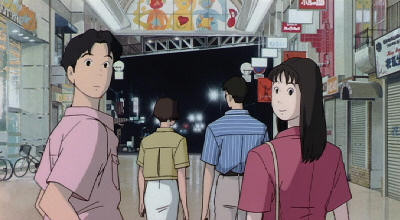
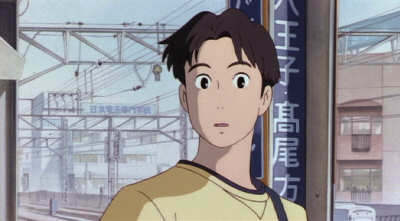
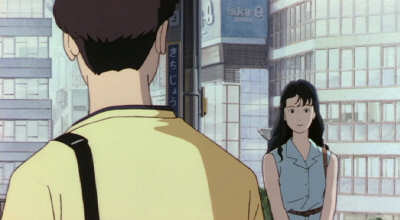
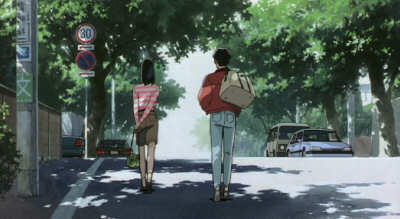
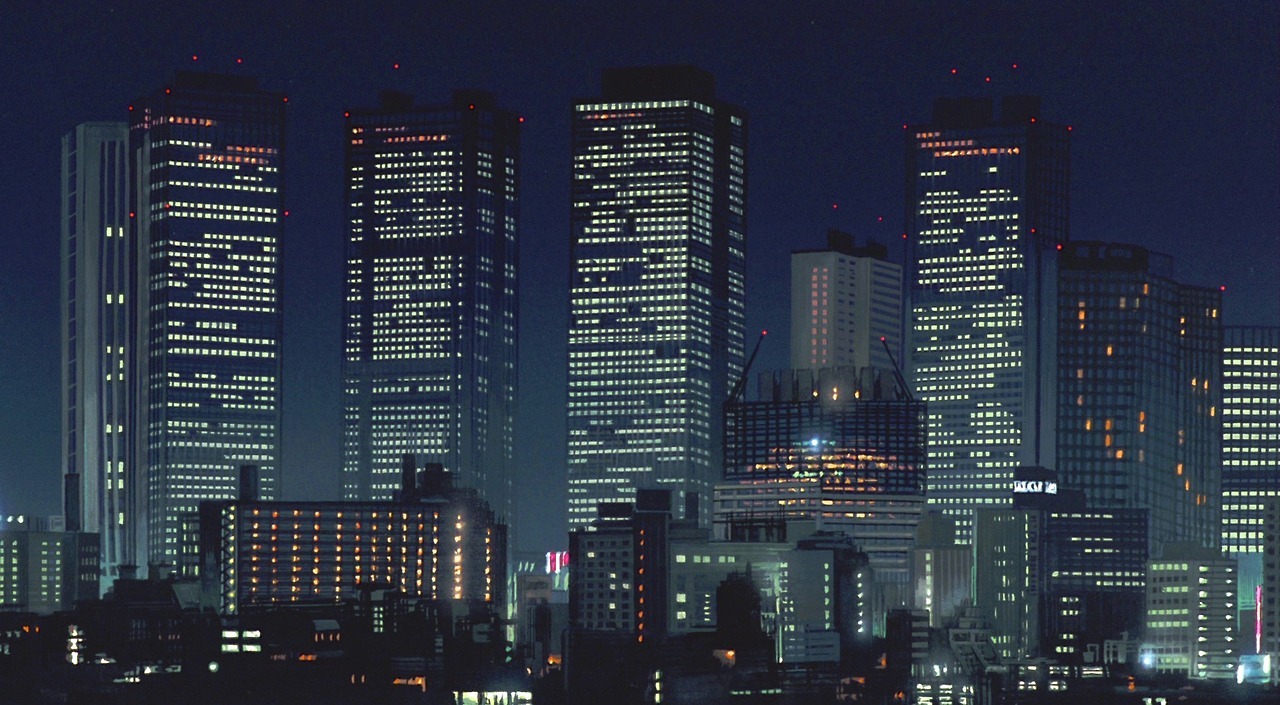
Here is a sampling of wonderfully crafted background illustrations as seen in the 1993 Studio Ghibli production Umi ga Kikoeru (aka Ocean Waves in the West). I loved this movie when I first discovered it many years ago, and time has taken away none of its luster. I wish Western animation could break free of its "babysitter" mindset and create works such as this.
The background illustrations are drawn with a fine sense of detail, and a great sense of realism that is only slightly enhanced by the color palette. It looks so much like a collection of romanticized photographs, and it fits the story's themes of lost loves and nostalgic reunions. This also matches very closely the visual style of Japanese manga comics, which has always exerted a great influence on animators.
These screenshots come from our friends at Ghibli Collector, a Tumblr art site that features all sorts of impressive photos and illustrations from the Ghibli movies. I highly recommend visiting and sharing with family and friends.
2017-03-27
Ocean Waves (Umi ga Kikoeru) Blu-Ray Arrives April 18
Ocean Waves (Umi ga Kikoeru) is scheduled to be released on Blu-Ray this April 18. The 1993 made-for-television movie, directed by Tomomi Mochizuki, is the final Studio Ghibli feature film to see a home video release in North America. This is also the first time this movie has been released on our shores in any format.
Interestingly enough, Universal Studios Home Entertainment has picked up the distribution, under license from GKIDS, and the film has been given a PG-13 rating. This is a bit excessive and overly cautious, in my opinion, but the important thing is that this movie will be available in its complete and uncut form at last.
In addition to the main film, a 40-minute documentary featuring the production staff reunion has been included. This bonus feature was originally included on the Japanese DVD and Blu-Ray discs, and it's terrific that we finally get the chance to have it here (with English subtitles, of course).
Best of all, Ghiblies Episode 2, the outstanding 2002 anthology short film directed by Yoshiyuki Momose (one of Studio Ghibli's great talents) will make its appearance as an added bonus. In Japan, this 30-minute short appeared as the opening slot of a double bill with The Cat Returns the Favor. I think it made more sense to put those two movies together on home video, but it's great to finally have Ghiblies in our collections.
Ocean Waves is presented in its original Japanese language with English subtitles. As expected, there is not enough audience in the US to support an English-language dub or wider theatrical release. I think the distributors are selling audiences short. Animation doesn't have to merely be "The Electric Babysitter," existing solely to pacify toddlers and sell cheap merchandise. More and better options are available. Oh, well, at least we have the home video release, which is no small shakes.
This is definitely a great movie that all Ghibli Freaks and animation fans should enjoy. This release is highly recommended.
2016-12-14
Poster - Ocean Waves (Umi ga Kikoeru)
Here is the newly-released movie poster for GKIDS' theatrical release of Studio Ghibli's 1993 film, Ocean Waves (Umi ga Kikoeru). Looks great, very restrained and tasteful and clean. I do hope we will be able to purchase one of these. When is Ghibli going to start selling their movie posters? I always ask this question. One of these days, it's going to happen, trust me.
A big thanks to GKIDS for their support of Studio Ghibli, as always. Next item on the menu: the Studio Ghibli short films, including Hayao Miyazaki's On Your Mark and Yoshiyuki Momose's Ghiblies Episode 2. Stay tuned.
Umi ga Kikoeru (Ocean Waves) Coming to US Theaters
It has taken many years of begging and pleading, and now it has finally paid off: Studio Ghibli's 1993 TV movie Umi Ga Kikoeru (I Can Hear the Sea) is coming to North American theaters! With this release, all of the Studio Ghibli feature films will have been released on our shores.
GKIDS, who hold the theatrical distribution rights to the Ghibli film catalog (in addition to several home video releases), will release the film under its "Western" title, Ocean Waves, on December 28 at the IFC Center in New York City. An expanded theatrical release will then commence in January and continue through March. Cities and dates will continue to be added in the coming weeks, so stay tuned to find out if Ocean Waves is coming to a city near you.
Umi ga Kikoeru/Ocean Waves was a project for Ghibli's younger animators, and the first time Hayao Miyazaki or Isao Takahata was not directly involved in a studio production. It is a romance melodrama involving several young adults who join together for their high school reunion, which sparks memories of old friendships, rivalries and romances. It fits squarely within Ghibli's "neo-realist" style, akin to Grave of the Fireflies and Omohide Poro Poro. This is a style of animation that Japan excels at, and is virtually nonexistent in the West. I would hope this movie helps to inspire artists and filmmakers to create new films in this style.
I'm a great fan of Umi/Ocean. It's a quiet story, understated and subtle and emotionally honest. The art design is restrained and natural, yet full of small details of modern Japanese life. And the final scene makes a dramatic homage to Yasujiro Ozu that never fails to amaze and inspire. I bought the Japanese DVD a decade ago, which also features a 40-minute documentary with the filmmakers, which I do hope will appear on the inevitable GKIDS release, which should arrive sometime next year.
Looking at the official website, I do not see any mention of an English-language dub, nor have I heard anything about any American voice actors cast for the film. We must assume that this movie will be presented only in its original Japanese soundtrack with English subtitles. This is probably for the best; this is a Japanese movie that doesn't try to sell itself to Americans. Hearing a cast of California actors would just be too jarring (this was an issue I had with GKIDS' dub soundtrack for Omohide Poro Poro). The Ghibli Freaks will buy movie tickets and will probably prefer the original film untouched. The mainstream public will not be interested in an animated youth drama. They'll be much happier watching Finding Dory again.
That's fine. Not everything has to become wildly popular or hugely successful. The most interesting things in life always lie off the beaten path. You have to search out and discover the true hidden gems. Umi ga Kikoeru is a true hidden gem. You should seek it out and treasure it always.
2015-04-20
Umi ga Kikoreru (I Can Hear the Sea/Ocean Waves) Blu-Ray July 17
And the Studio Ghibli Blu-Ray feature film collection is now complete. Umi ga Kikoeru ("I Can Hear the Sea," aka "Ocean Waves") will be released on Blu-Ray in Japan this July 17. Word was made public on Disney's Japanese website this week. The high-definition disc will retail for 6,800Yen.
Umi ga Kikoeru's DVD release from 2003 is still available, but I would expect to see a "remastered" edition, in keeping with the recent DVD remasters from the rest of the Ghibli catalog. I purchased this disc a decade ago, and it remains a prized addition to my movie library. In addition to the main feature, a 40-minute documentary reuniting the production team was also include (but, sadly, no English subtitles for this extra). We should expect to see everything translated to the BD.
Umi was Studio Ghibli's 1993 "made-for-TV" feature, broadcast on Japan's NHK network, who are longtime collaborators with Hayao Miyazaki and Isao Takahata, dating back to Future Boy Conan in 1978. This production was created by Ghibli's young staff, many of whom had graduated from the studio's in-house animation school, which was founded to nurture new animation talent.
Outside of Japan, we should expect to see Umi released in Australia and the UK, under the "Ocean Waves" title, as they have previously released the DVD edition years ago. Please don't ask about Disney releasing a Blu-Ray in the US. It's never going to happen. Perhaps GKids Films could step in and secure the rights? Please Please Please...I recommend that you start harassing them with emails as soon as possible.
I highly recommend this movie. It's one of Studio Ghibli's neo-realist films, a "slice-of-life" drama in the style of Omohide Poro Poro, Mimi wo Sumaseba, From Up on Poppy Hill, and The Wind Rises. A teenage romance with wit, humor, longing, and a keen sense of wisdom, with an climactic final scene that sweeps you off your feet (and openly quotes Yasujiro Ozu). "I Can Hear the Sea"...Ghibli always loved to give their animated movies such flowing, poetic names. They demonstrate a mastery of an animation form that isn't even being conceived here in the West. This style of art does not exist on our shores, and it's a damned shame, and I'm getting tired of repeating this same phrase, year after year. We await a new generation of animation storytellers, inspired by these works, to create naturalist animations of their own. It can be done. It should be done.
Special props should go to the Ghibli fan crew at the Blu-Ray.com forums, who first broke the news that Umi was being prepared for BD. Thanks to everyone for their due diligence.
2010-12-30
New Years Resolutions for 2011
In the new year, could Disney please, kindly, sorta, maybe, finally release Omohide Poro Poro and Umi ga Kikoeru in North America? It's been how long by now? Heck, give those movies to Criterion if you're afraid of a backlash from the fundamentalist set.
I've said it a thousand times, and I'll probably say it a tousand times more, but Isao Takahata's Omohide Poro Poro is the greatest animation film ever created. It is poetry painted in watercolors. And you won't get your Ghibli Freak merit badge until you've watched it twice.
And Umi ga Kikoeru/I Can Hear the Sea remains criminally underrated. The fact that it was the work of the studio's younger staff shouldn't deter you. There is far more to Studio Ghibli than Miyazaki, and sooner or later, everybody is going to have to realize that.
I've said it a thousand times, and I'll probably say it a tousand times more, but Isao Takahata's Omohide Poro Poro is the greatest animation film ever created. It is poetry painted in watercolors. And you won't get your Ghibli Freak merit badge until you've watched it twice.
And Umi ga Kikoeru/I Can Hear the Sea remains criminally underrated. The fact that it was the work of the studio's younger staff shouldn't deter you. There is far more to Studio Ghibli than Miyazaki, and sooner or later, everybody is going to have to realize that.
2010-03-10
Puedo Eschuhar el Mar - Umi ga Kikoeru Spanish DVD
Umi ga Kikoeru is also now available in the Spanish market, courtesy of Aurum. This was actually released in October, 2008, and also retains the movie's actual title - I Can Hear the Sea. Why should the English-speaking world be stuck with the bland and lifeless "Ocean Waves?" The Ghibli titles are far more poetic and inviting to my ears.
I like the design of the Spanish DVD. It's closer to the Japanese R2, and uses an illustration from the Ghibli Calendar. And I'm thrilled anytime one of these great movies can be seen by the outside world. Animation can be used for more than stale fairy tales and childish power fantasies. You can do more than just rip off Star Wars and Snow White and Toy Story. This awareness is slowly creeping into the American consciousness, very slowly.
Like the Optimum UK release, I Can Hear the Sea includes a single disc and no extras beyond the trailers. At the time, this was the only Western release of this film. I'd like to see Disney release this movie here, but a North American release remains highly unlikely. If you live on the American continents, imports and downloads are your only options.
Ocean Waves (Umi ga Kikoeru) DVD Released in the UK
Our Ghibli friends in the UK have another reason to gloat over their American cousins: Umi ga Kikoeru/Ocean Waves is now available on DVD. This means that our English, Scottish and Irish friends now have all of Studio Ghibli's theatrical films.
Umi ga Kikoeru was Studio Ghibli's 1993 film. It was created by the younger staff members who had been trained and mentored for several years at the studio's art school. They learned under both Hayao Miyazaki and Isao Takahata, and were set loose on a 72-minute television adaptation of a popular manga. Outside director Mochizuki Tomomi was brought in to head the project, Ghibli's first without Miyazaki or Takahata.
I've always been a great fan of this film, and Ghibli's forays into neo-realism. The idea that animation could be used to depict real life dramas...this was a shattering revelation when I discovered Grave of the Fireflies. Even though Umi ga Kikoeru (Ocean Waves is the standardized Western title, but the direct translation is "I Can Hear the Sea") is considered a "minor" work in the Ghibli canon, I believe that designation is unfair. This teenage melodrama is brilliantly paced and skillfully animated. The final scene is truly stirring, and never fails to move me.
True story: When I was in Bogota in December, Umi was playing on Cinemax, in Japanese with English subtitles. That was a surprise for me. You can actually find bootlegged DVDs of all the Studio Ghibli films on the streets of Bogota, cough, cough.
I have only one major complaint with this new DVD - no extras. The Japanese Region 2 DVD includes an hour-long video that reunites the filmmakers on Umi's 10th anniversary. There's no reason why that couldn't be included. Indeed, naturalist anime is a rather tough sell in the West. We need all the help we can get. Much thanks to Optimum for bringing Umi to the West, but no skimping on the extras next time.
2009-08-20
Ocean Waves UK DVD in February 2010


Optimum Asia will be releasing their UK DVD for Studio Ghibli's Ocean Waves (Umi ga Kikoeru) in February, to coincide with the theatrical release of Ponyo. I'm sure every Ghibli Freak in Britian knows this already, and is properly steamed by the delays. Why these films are being delayed six months is a mystery.
In any case, all the Studio Ghibli feature films will finally be available in Great Britian and the UK. That's a proud achievement, one almost certainly never to be matched here in the US. This is an excellent little film, a teen romance quarely in the tradition of Omohide Poro Poro. I don't know what extras will be included, but the Japanese DVD includes a lengthy 45-minute video with the production team.
Again, probably old hat to those in the know, but I'm seeing a lot of regulars from across the pond and wanted to give you something to read.
2009-08-02
Movie Review: Umi ga Kikoeru (1993)

July 27, 2006
I.
Studio Ghibli's 1993 production, Umi Ga Kikoeru (I Can Hear the Sea), is a superb example of animation in the service of naturalism and neo-realism. The teenage drama, which veers from anxious romance to open-eyed nostalgia, provides another excellent example of what animation can achieve in the service of drama. It's a lesser-known work in the studio's canon, mostly because the DVD has yet to be released outside of Japan, but it deserves equal billing with its older siblings, Grave of the Fireflies, Omohide Poro Poro, and Mimi o Sumaseba.
In a sense, I Can Hear the Sea represents everything that Miyazaki and Takahata sought to achieved when they founded Ghibli in 1985. Allow me to explain.
When Studio Ghibli was founded, one of the things Miyazaki and Takahata wanted to change was the working conditions within Japan's animation community. Traditionally, an animation team would be assembled for a specific project, but would be dissolved after its completion. For many people, there was little job security, moving from one project to the next in an almost temp-like fashion.
The old masters wanted to change this. They wanted an environment which could nurture and raise the next generation of animators. Ghibli ushered in a new wave of reforms. Employees would be paid a living wage. They would be hired permamently, not merely hired for one gig and then let go. This committment to share the wealth was a generous move for Ghibli, especially when you consider that the studio's first three films - Laputa: Castle in the Sky, Grave of the Fireflies, My Neighbor Totoro - were not box-office hits. The first movie to pull in a profit was Kiki's Delivery Service in 1989.
Perhaps most importantly, Ghibli also established a school for training the younger employees. Both Miyazaki and Takahata taught classes, imparting their wisdom and sharing the techiques in filmmaking and animation that made them world-famous. Soon, the kids would be set loose upon the world.
I Can Hear the Sea was the fruit of those labors. The project was handed to the newer kids, and the television format guaranteed that there would be less pressure upon them. Perhaps it's also a nod to their teachers' own experience; they began their careers on Toei TV shows like Hustle Punch and Wolf Boy Ken, and became masters of the form on Heidi, Girl of the Alps, and other television dramas of the '70s.
In any case, Umi is an accomplished work, and doesn't feel at all like a student work. It's focused, firmly paced; the many characters are given a considerable depth and avoid all the typical teenage romance cliches. Clearly, it's heavily infused with Takahata's naturalist style, with its objectivist portrayal of the main characters, and the many pillow shots which point back to Ozu. The animators had worked on Omohide Poro Poro two years before, and they absorbed that film like a sponge.
The director's chair for Umi Ga Kikoeru was filled by Tomomi Mochizuki, an outside director best known for his work on Here is Greenwood and Kimagure Orange Road: I Want to Return to That Day. Like the staff, he was a young up-and-comer, and his sensibilities fit perfectly with what the story requires. He was already committed to the Here is Greenwood TV series, and the resulting stress of directing two productions simultaneously took its toll on him. Fortunately, he succeeded on all fronts.
This was the first Ghibli production with an outside director, and it presages later director work by Yoshifumi Kondo, Yoshiyuki Momose, Hiroyuki Morita, and others. It's also the beginning of the great crisis for the studio, namely, Who Will Be in Charge When the Old Masters Retire? We'll be coming back to that one again sometime.
II.
"And it was then that I realized...I had always been crazy for her."
Umi Ga Kikoeru finishes with a climax that's truly moving, a dramatic punch-line after a long, engaging story. More likely than not, it's the scene that will linger in your mind the longest. At least, that's been the case with me; it's a grand, sweeping romantic gesture, literally sweeping.
It's a great construction. The whole film is building, building, building to the climax. Anyone who knows drama or comedy, truly knows it in their bones, will tell you how important it is for the punch-line to contrast against the set-up. This is a crucial lesson for anyone who wants to write novels or make movies. Something like this just isn't possible from today's brain-sucking Hollywood blockbusters. There's never any contrast, any proper build-up; no, it's all punch-line. It's all endless explosions and rapid-fire cuts. BoomBoomBoomBoomBoomBoomBoom!!!!!
Kids, this is why Master of Puppets is vastly superior to Kill 'Em All. It's all in the contrasts, the tempo shifts.
The climax to I Can Hear the Sea is a textbook lesson, taken straight from Yasujiro Ozu. Ozu became the master of zen filmmaking, of stripping away every excess, every concept, every notion. All that's left is the pure, unnamed experience.
Notice how scenes are assembled, with its casual pace, its long shots, its endless pillow shots. This brings us not only closer to the characters, by moving everything in a real-time tempo, it also allows us to contemplate, to meditate, to reflect. Umi is mostly told via flashback.
Notice how every shot is a static shot. The camera never moves once. And then we return to the train station, right where we began. Taku had once spied a girl he believed to be Rikako; now, having come to terms with himself, he spies her again. He won't let her get away this time. He sprints down the stairs, across the subway, and then up the stairs to the other side. Running out, he looks around, but cannot see her.
And then Taku turns his head. His eyes are fixed, the sounds of the train station melt away, and the camera swings around, sweeping in a circle to meet Rikako, who waits, smiling. Punch-line. Checkmate.
After an hour of stationary cameras, we have a circular rotation, 180 degrees in two cuts. It's an emotionally-charged climax, and it's about as satisfying a payoff as one can ask for. It's only possible when in concert with the rest of the film, and its long, slow buildup. A remarkable lesson learned from the young Ghibli staff - two degrees removed from Ozu.
2006-07-29
Today's Screenshots - Umi Ga Kikoeru

Today's the last day before we move on to the next Movie Night feature, so I thought I'd add a couple screenshots from Umi Ga Kikoeru. There are a lot of terrific shots to choose from, but I'm always a sucker for good composition, so here's one from the airport scene. The other shot comes from the class reunion; note the attention to detail in the shopping mall in the background. Like many Ghibli films, this is based on an actual location, and the accuracy in the detail is striking.Also, it must be said. I miss the good ol' days of hand-painted animation. Today's computers have many advantages, but they still cannot match that unique quality that only comes from using a paintbrush. Poor Michiyo Yasuda must have cried buckets when they took all the paints away from the Ink & Paint Dept. and replaced them with computers.
2006-07-27
Two Degrees Removed From Ozu

"And it was then that I realized...I had always been crazy for her."Umi Ga Kikoeru finishes with a climax that's truly moving, a dramatic punch-line after a long, engaging story. More likely than not, it's the scene that will linger in your mind the longest. At least, that's been the case with me; it's a grand, sweeping romantic gesture, literally sweeping.
It's a great construction. The whole film is building, building, building to the climax. Anyone who knows drama or comedy, truly knows it in their bones, will tell you how important it is for the punch-line to contrast against the set-up. This is a crucial lesson for anyone who wants to write novels or make movies. Something like this just isn't possible from today's brain-sucking Hollywood blockbusters. There's never any contrast, any proper build-up; no, it's all punch-line. It's all endless explosions and rapid-fire cuts. BoomBoomBoomBoomBoomBoomBoom!!!!!
Kids, this is why Master of Puppets is vastly superior to Kill 'Em All. It's all in the contrasts, the tempo shifts.
The climax to I Can Hear the Sea is a textbook lesson, taken straight from Yasujiro Ozu. Ozu became the master of zen filmmaking, of stripping away every excess, every concept, every notion. All that's left is the pure, unnamed experience.
Notice how scenes are assembled, with its casual pace, its long shots, its endless pillow shots. This brings us not only closer to the characters, by moving everything in a real-time tempo, it also allows us to contemplate, to meditate, to reflect. Umi is mostly told via flashback.
Notice how every shot is a static shot. The camera never moves once. And then we return to the train station, right where we began. Taku had once spied a girl he believed to be Rikako; now, having come to terms with himself, he spies her again. He won't let her get away this time. He sprints down the stairs, across the subway, and then up the stairs to the other side. Running out, he looks around, but cannot see her.
And then Taku turns his head. His eyes are fixed, the sounds of the train station melt away, and the camera swings around, sweeping in a circle to meet Rikako, who waits, smiling. Punch-line. Checkmate.
After an hour of stationary cameras, we have a circular rotation, 180 degrees in two cuts. It's an emotionally-charged climax, and it's about as satisfying a payoff as one can ask for. It's only possible when in concert with the rest of the film, and its long, slow buildup. A remarkable lesson learned from the young Ghibli staff - two degrees removed from Ozu.
2006-07-26
I Can Hear the Sea

Studio Ghibli's 1993 production, Umi Ga Kikoeru, is a superb example of animation in the service of naturalism and neo-realism. The teenage drama, which veers from anxious romance to open-eyed nostalgia, provides another excellent example of what animation can achieve in the service of drama. It's a lesser-known work in the studio's canon, mostly because the DVD has yet to be released outside of Japan, but it deserves equal billing with its older siblings, Grave of the Fireflies, Omohide Poro Poro, and Mimi o Sumaseba.
In a sense, I Can Hear the Sea represents everything that Miyazaki and Takahata sought to achieved when they founded Ghibli in 1985. Allow me to explain.
When Studio Ghibli was founded, one of the things Miyazaki and Takahata wanted to change was the working conditions within Japan's animation community. Traditionally, an animation team would be assembled for a specific project, but would be dissolved after its completion. For many people, there was little job security, moving from one project to the next in an almost temp-like fashion.
The old masters wanted to change this. They wanted an environment which could nurture and raise the next generation of animators. Ghibli ushered in a new wave of reforms. Employees would be paid a living wage. They would be hired permamently, not merely hired for one gig and then let go. This committment to share the wealth was a generous move for Ghibli, especially when you consider that the studio's first three films - Laputa: Castle in the Sky, Grave of the Fireflies, My Neighbor Totoro - were not box-office hits. The first movie to pull in a profit was Kiki's Delivery Service in 1989.
Perhaps most importantly, Ghibli also established a school for training the younger employees. Both Miyazaki and Takahata taught classes, imparting their wisdom and sharing the techiques in filmmaking and animation that made them world-famous. Soon, the kids would be set loose upon the world.
I Can Hear the Sea was the fruit of those labors. The project was handed to the newer kids, and the television format guaranteed that there would be less pressure upon them. Perhaps it's also a nod to their teachers' own experience; they began their careers on Toei TV shows like Hustle Punch and Wolf Boy Ken, and became masters of the form on Heidi, Girl of the Alps, and other television dramas of the '70s.
In any case, Umi is an accomplished work, and doesn't feel at all like a student work. It's focused, firmly paced; the many characters are given a considerable depth and avoid all the typical teenage romance cliches. Clearly, it's heavily infused with Takahata's naturalist style, with its objectivist portrayal of the main characters, and the many pillow shots which point back to Ozu. The animators had worked on Omohide Poro Poro two years before, and they absorbed that film like a sponge.
The director's chair for Umi Ga Kikoeru was filled by Tomomi Mochizuki, an outside director best known for his work on Here is Greenwood and Kimagure Orange Road: I Want to Return to That Day. Like the staff, he was a young up-and-comer, and his sensibilities fit perfectly with what the story requires. He was already committed to the Here is Greenwood TV series, and the resulting stress of directing two productions simultaneously took its toll on him. Fortunately, he succeeded on all fronts.
This was the first Ghibli production with an outside director, and it presages later director work by Yoshifumi Kondo, Yoshiyuki Momose, Hiroyuki Morita, and others. It's also the beginning of the great crisis for the studio, namely, Who Will Be in Charge When the Old Masters Retire? We'll be coming back to that one again sometime.
2006-07-23
Movie Night - Umi Ga Kikoeru
(Update: This video has since been removed from Youtube. Sorry.)
Alright, I've got my chilled mug and cold root beer ready to go. Our movie tonight will be Studio Ghibli's 1993 production, Umi Ka Kikoeru, "I Can Hear the Sea." The official Westen title is "Ocean Waves," but this remains among the last Ghibli films to appear outside Japan.
Umi was a tv movie, and was created by the younger members of the studio. It's adapted from a manga of the same title, and covers teenage drama, romance, friendship, and the difficulties of fitting in. A young man en route to his class reunion remembers his final semester in high school a year ago, and the Tokyo girl who both frustrates and captivates him. Set firmly in the neo-realist mold of Grave of the Fireflies, Omohide Poro Poro and Whisper of the Heart, it's an excellent little film, another example of animation's great dramatic power. Enjoy!
Alright, I've got my chilled mug and cold root beer ready to go. Our movie tonight will be Studio Ghibli's 1993 production, Umi Ka Kikoeru, "I Can Hear the Sea." The official Westen title is "Ocean Waves," but this remains among the last Ghibli films to appear outside Japan.
Umi was a tv movie, and was created by the younger members of the studio. It's adapted from a manga of the same title, and covers teenage drama, romance, friendship, and the difficulties of fitting in. A young man en route to his class reunion remembers his final semester in high school a year ago, and the Tokyo girl who both frustrates and captivates him. Set firmly in the neo-realist mold of Grave of the Fireflies, Omohide Poro Poro and Whisper of the Heart, it's an excellent little film, another example of animation's great dramatic power. Enjoy!
Subscribe to:
Posts (Atom)